Master of Public Administration (MPA)

Program Overview
The Master of Public Administration (MPA) at The City College of New York (CCNY), based at the Moynihan Center, prepares a new generation of civic leaders for impactful careers in government, nonprofits, and community organizations serving New York and beyond. Our program equips students with the professional competencies and critical capacities needed to navigate complex governance challenges.
Located in Harlem at CUNY's flagship institution, the CCNY MPA serves predominantly first-generation and working-class New Yorkers—many already serving in city agencies and community organizations, others preparing to join them. Our graduates lead with integrity and confidence, equipped to drive meaningful change in the institutions and communities they serve.

Guiding Principles

Lifting Leaders
We support the growth of emerging public servants, preparing them for meaningful, purpose-driven careers in governance and community leadership.
Shifting Power
Our students tend to come from underrepresented backgrounds—working-class, immigrant, first-generation students—and create lasting change in public and nonprofit sectors too often led by those without connections to the communities they serve.
Transforming Society
Our graduates don't just manage the status quo; they challenge it thoughtfully, working to make public institutions more responsive, effective, and accountable.
Distinctive Features
Face-to-Face Learning
Effective public service requires open dialogue, trust, and navigating differences with empathy—skills best developed face-to-face. Our immersive on-campus experience centers real human connection, with evening formats accommodating working professionals.
Real-World Expertise
Learn from professionals actively working in NYC’s civic sector—leading think tanks, government agencies, foundations, and non profits. Practitioner faculty connect course content to actual challenges you'll encounter in your career.
Hands-On Curriculum
Apply developing skills to community challenges through coursework and a capstone project addressing real needs. Graduate with competencies and a portfolio demonstrating your ability to drive effective change.
Deep Connections
Small classes enable deep peer relationships, individualized faculty support, and collaborative learning impossible in larger programs. You'll know classmates as colleagues and faculty as mentors invested in your success.
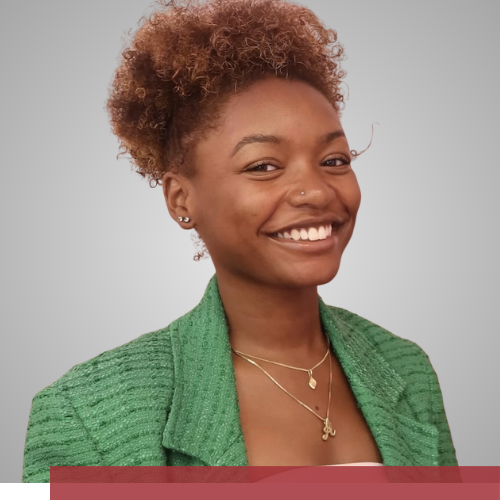
I love the camaraderie I have with my cohort. We lean on each other in and out of school assignments/ group projects, and they have shaped my great experience in this program.
Arianna Adams
MPA Student
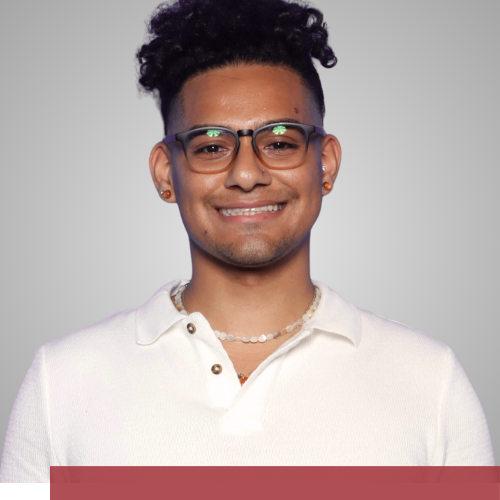
I'll be creating my own non-profit to organize in the Bronx so I pursued a MPA to give me the skills, tools, and knowledge to lead a successful organization.
Adonis Iciano
MPA Student

[I plan to] utilize what I've learned throughout my courses to enhance my skills and gain a managerial role in a City-based agency so that I may implement progressive ideas based on data-based decision-making to help as many New Yorkers as possible.
Gabriel Gjyla
MPA Student

The overall experience has allowed me to begin to apply theory to the nonprofit work I have been handling since I started my career in 2007. I have learned on the job and learning in a structured setting has been truly transformative.
Juan J. Ramirez
MPA Student

Core Competencies
The MPA curriculum develops five competencies through integrated coursework combining professional preparation with the broader capacities effective leadership requires:
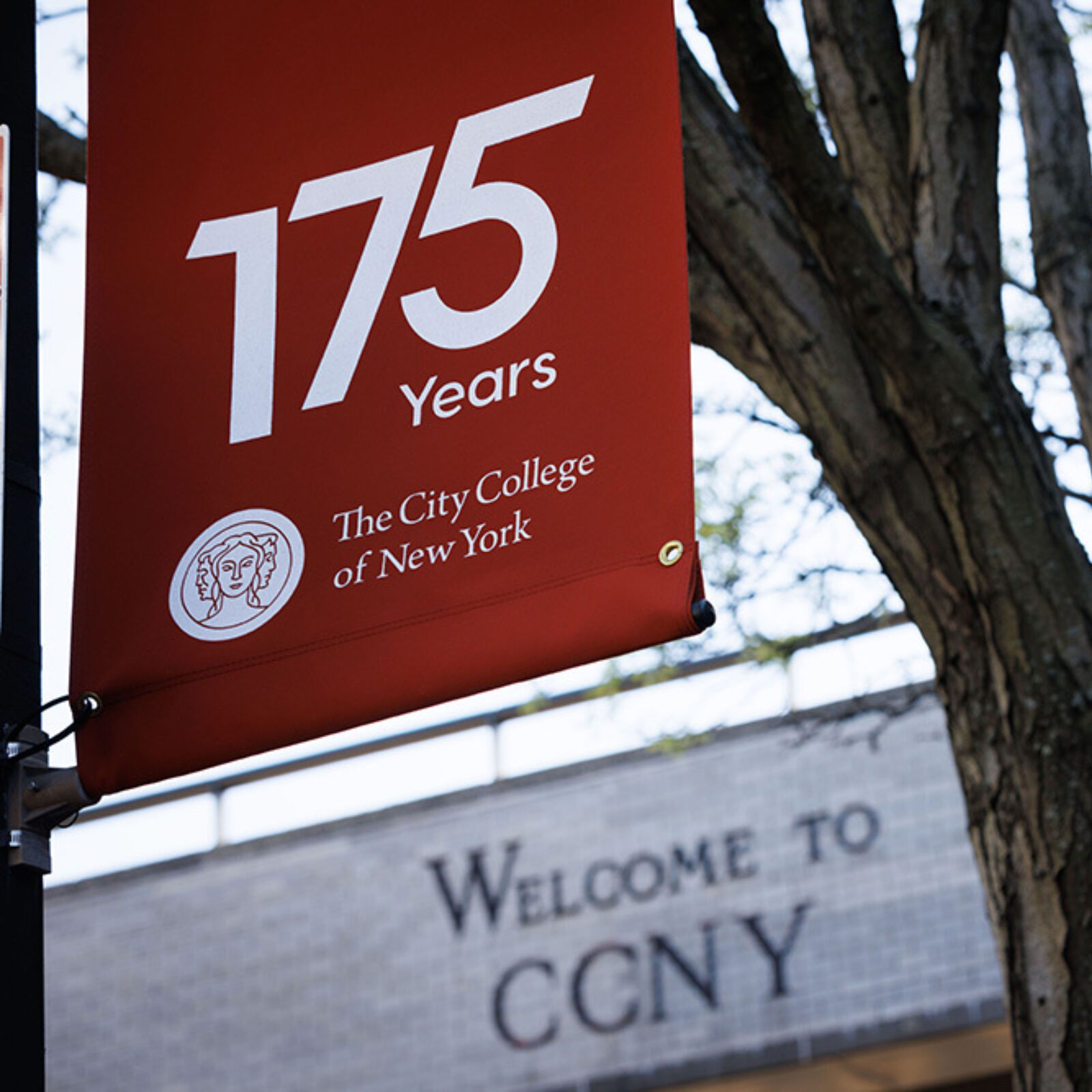
The Moynihan Center
The MPA Program is now housed within the Moynihan Center, which aims to cultivate a new generation of public service leaders. Named for Senator Daniel Patrick Moynihan—scholar, practitioner, and lifelong public servant—the Center develops what Moynihan embodied: the ability to combine rigorous analysis with compelling communication, to engage across ideological divides, and to lead with both competence and wisdom. This integration offers opportunities for MPA students to engage with distinguished practitioners and Moynihan Fellows, broaden professional networks, and participate in the Center's broader ecosystem of public scholarship and civic leadership development.